




 For active security incidents only.
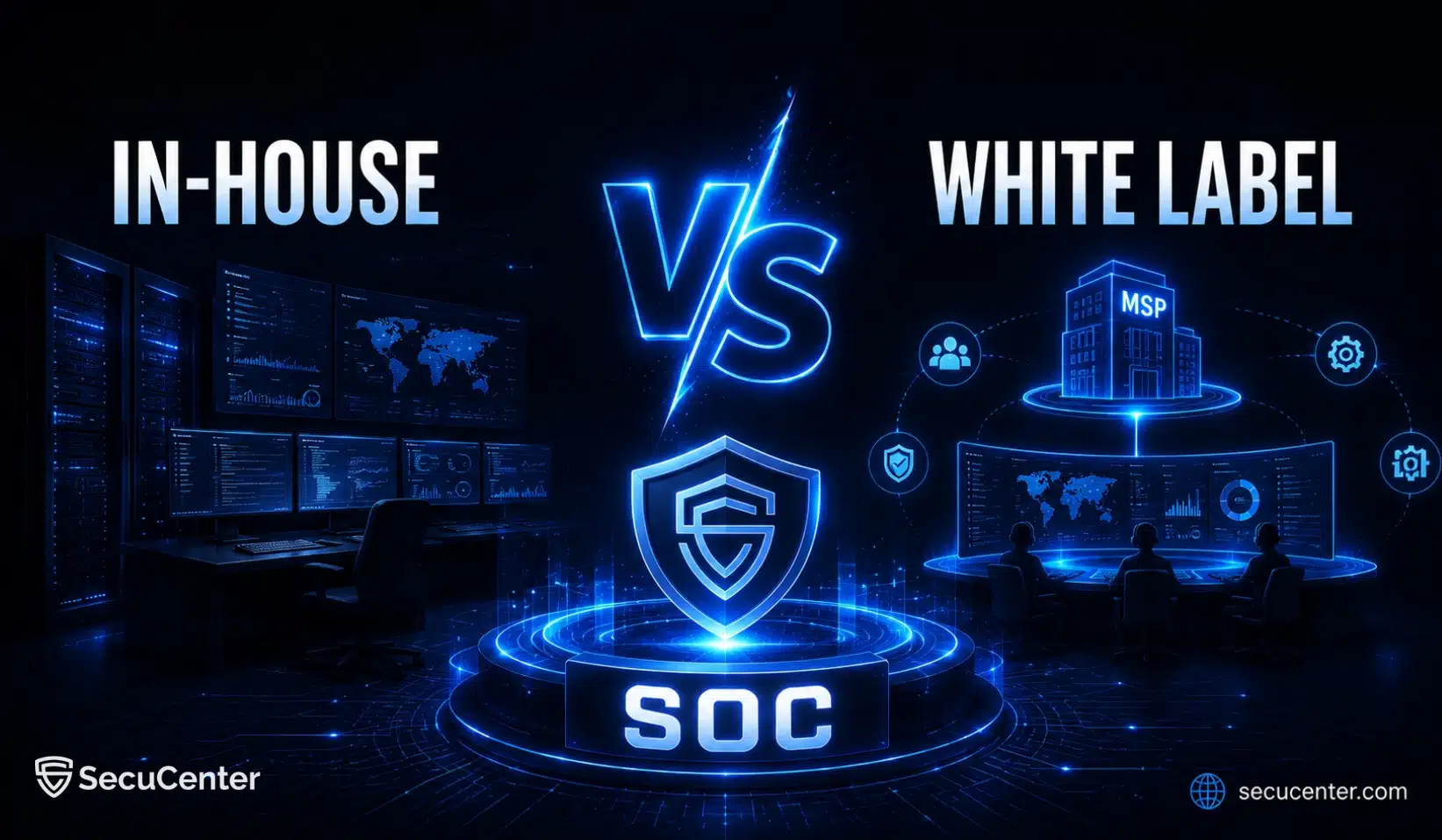
In the ever-evolving landscape of cybersecurity, organizations face a pressing need to protect their digital assets from an array of threats. A 24/7 Security Operations Center (SOC) is a critical component in maintaining robust cybersecurity, but it can be costly to establish and run in-house. Alternatively, many organizations opt for white-label SOC support partners to meet their cybersecurity needs. In this article, we will compare the costs and benefits of building a 24/7 SOC versus partnering with a white-label SOC provider.
Building a 24/7 In-House SOC
a) Infrastructure Costs
Establishing an in-house SOC requires significant investments in infrastructure, including hardware, software, and network resources. The initial capital expenditure can be substantial, especially for smaller organizations.
b) Staffing and Expertise
Hiring and retaining a skilled cybersecurity team is a critical element of a successful SOC. This involves recruiting cybersecurity professionals, providing training, and offering competitive salaries to retain talent. The ongoing costs of salaries, benefits, and training can quickly add up.
c) Training and Certifications
Cybersecurity is a constantly evolving field, necessitating continuous training and certifications for SOC staff. These costs can be ongoing and significant, with a need to keep the team up to date on the latest threats and mitigation techniques.
d) Security Tools and Software
A comprehensive SOC requires a suite of specialized security tools and software, which often involves licensing fees, maintenance costs, and updates. This can represent a substantial portion of the budget.
e) Facilities and Operational Costs
Maintaining a 24/7 SOC facility demands a secure environment with redundant power supplies, cooling systems, and other infrastructure to ensure uninterrupted operation. Ongoing operational costs include electricity, internet connectivity, and physical security measures.
f) Compliance and Legal Costs
Meeting various industry and geographical compliance standards can be costly, including legal consultations and audits to ensure regulatory adherence.
g) Incident Response and Recovery
In the event of a security incident, an in-house SOC must have the resources to respond swiftly and effectively. Costs may include incident investigation, forensics, containment, and recovery efforts.
h) Monitoring and Threat Intelligence Services
Monitoring and threat intelligence services may require outsourcing or the development of in-house capabilities. The former typically involves ongoing expenses, while the latter requires substantial investment.
White-Label SOC Support Partner
a) Cost Savings
Opting for a white-label SOC support partner often leads to cost savings, as the partner bears the infrastructure, staffing, and tool-related expenses. Organizations pay for services rendered, making it a more flexible and predictable financial arrangement.
b) Access to Expertise
White-label SOC providers are specialized cybersecurity firms staffed with experienced professionals. Partnering with them grants access to a deep pool of expertise in the field, which may be cost-prohibitive to develop in-house.
c) Scalability
White-label SOC support partners can scale their services to match your organization’s needs. This flexibility allows for tailored solutions as your security requirements change over time.
d) 24/7 Monitoring
White-label SOC providers offer around-the-clock monitoring, ensuring that security incidents are detected and addressed promptly, which can be a challenge to achieve with an in-house team.
e) Regulatory Compliance
Many white-label SOC providers specialize in compliance and can help organizations meet regulatory requirements cost-effectively, reducing legal and audit expenses.
The choice between building a 24/7 SOC and partnering with a white-label SOC support provider ultimately depends on an organization’s specific needs, size, and financial resources. While building an in-house SOC offers more control, it often comes with significantly higher upfront and ongoing costs. White-label SOC support partners can provide cost-effective, expert solutions that cater to an organization’s unique security requirements while allowing them to focus on their core business objectives. When evaluating the options, it is essential to consider the cost-benefit analysis and the organization’s risk tolerance to make an informed decision that aligns with its cybersecurity strategy.


